Why Small-Group Pilates Classes Are Growing in Popularity for Professionals
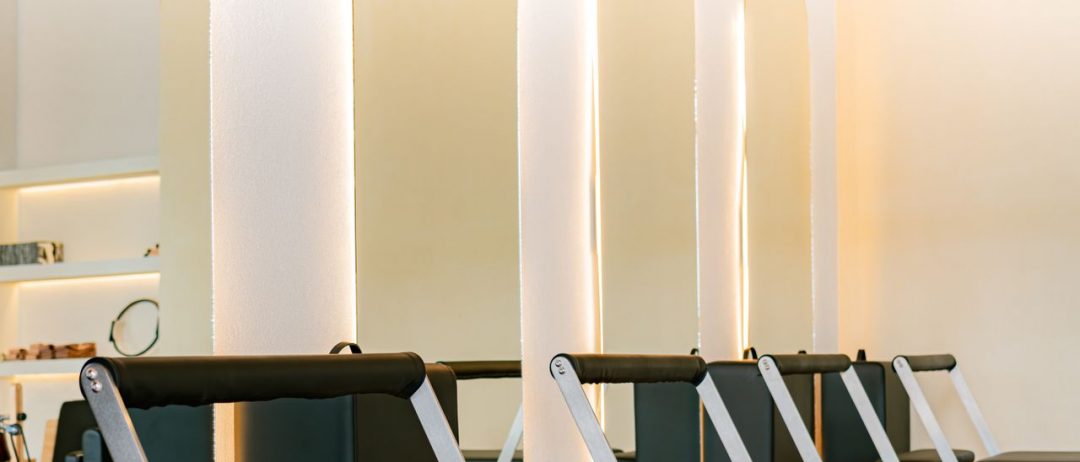
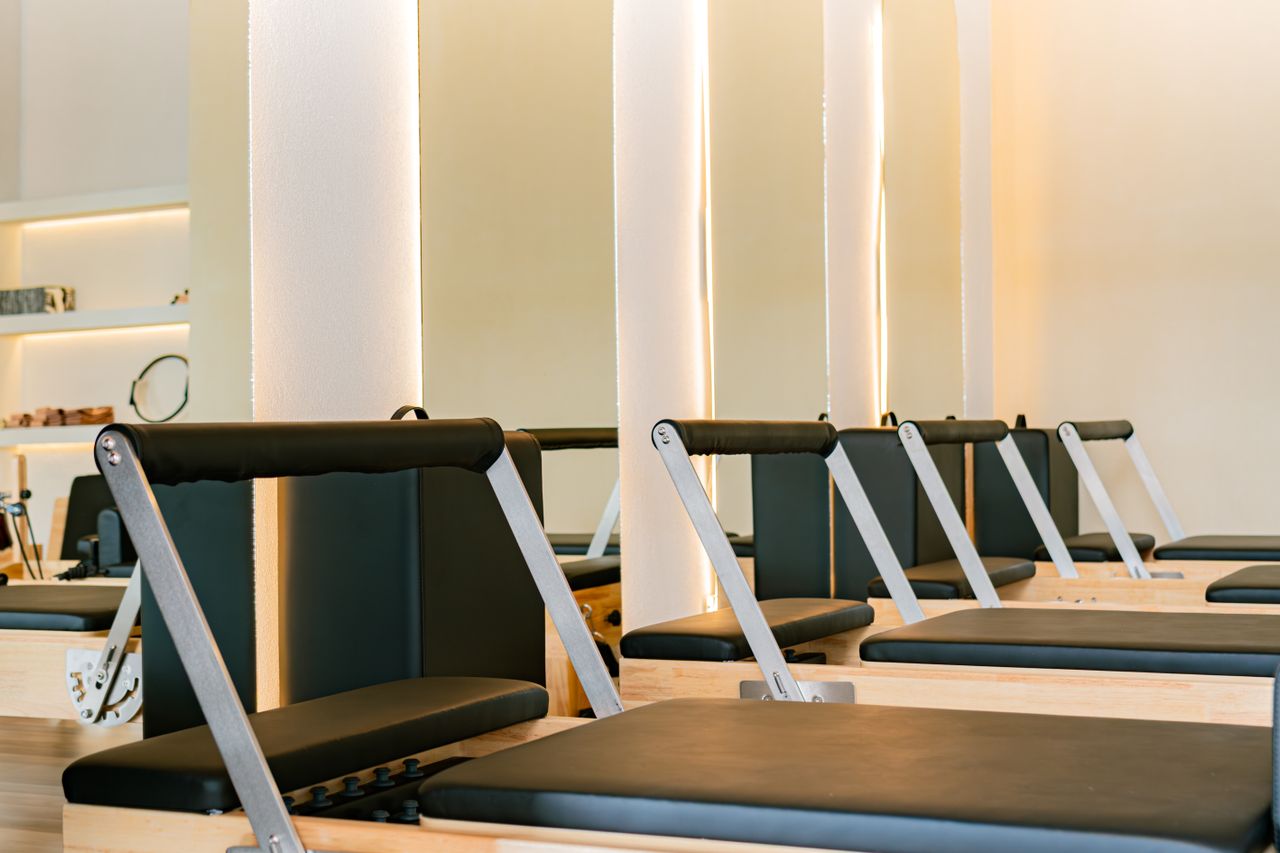
For busy professionals, finding time for exercise can be challenging. Long workdays, demanding schedules, and personal commitments often make it difficult to maintain a consistent fitness routine. That is one reason small-group Pilates has become increasingly appealing. A dedicated pilates studio can provide a structured environment where professionals can work on strength, mobility, balance, and body awareness without feeling like they have to spend hours at the gym.
A More Focused Workout Experience
Large fitness classes can be energetic and motivating, but they can also make individualized attention difficult. Small-group Pilates offers a different experience.
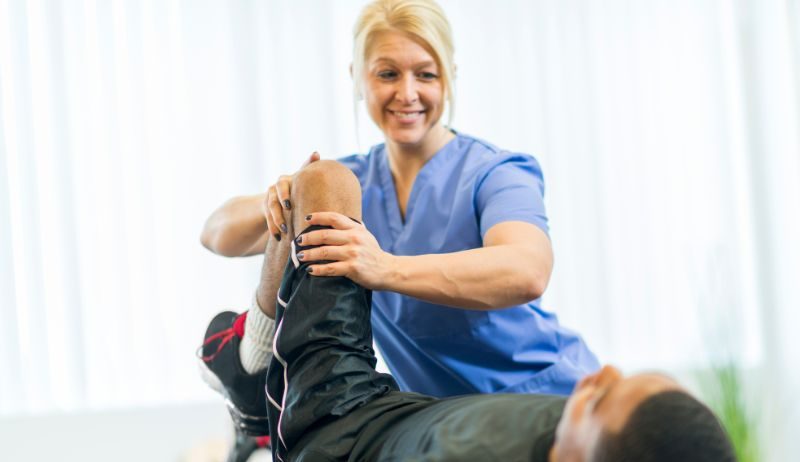
With fewer participants, instructors can generally pay closer attention to technique and movement. Participants may receive more specific guidance on alignment, positioning, and exercise modifications.
For professionals who have limited time, this focused environment can make each session feel more purposeful. Instead of simply moving through a generic workout, participants can concentrate on performing exercises correctly and getting the most from their time.
Pilates Fits Into a Busy Schedule
Time is one of the biggest barriers to maintaining an exercise routine.
Professionals may have meetings throughout the day, unpredictable work schedules, family responsibilities, and commutes to manage. A workout routine needs to be realistic enough to fit into that lifestyle.
Small-group Pilates classes offer a structured appointment that can be incorporated into a weekly schedule. Having a designated class time can also create accountability, making it easier to turn exercise into a consistent habit.
Consistency matters more than occasional intense workouts. A manageable routine that someone can maintain week after week is more likely to contribute to long-term fitness.
Strength Without an Extremely High-Impact Workout
Many professionals spend much of their working day sitting at a desk or behind a computer. While high-intensity exercise can be valuable, not everyone wants another physically demanding activity after spending hours working.
Pilates offers a way to challenge the muscles through controlled movements and resistance while emphasizing technique and stability.
Exercises often require participants to engage the core while coordinating different parts of the body. This can help develop functional strength without making every workout feel like an all-out effort.
For someone balancing work with other activities, that can make Pilates an attractive addition to a broader fitness routine.
Improving Mobility and Movement
Sitting for extended periods can make movement feel less natural. Hips, shoulders, and the spine may become accustomed to limited ranges of motion when much of the day is spent in the same position.
Pilates incorporates controlled movements that encourage participants to explore different ranges of motion while maintaining awareness of alignment.
Mobility is particularly important for professionals who want to remain active outside of work. Whether someone enjoys hiking, cycling, running, recreational sports, or simply spending time with family, being able to move comfortably can have a meaningful impact on everyday life.
A Stronger Connection Between Mind and Body
One characteristic that separates Pilates from many conventional workouts is the emphasis on concentration.
Participants are encouraged to pay attention to breathing, alignment, muscle engagement, and the quality of each movement. This requires a level of focus that can make the workout feel different from simply completing repetitions.
For professionals who spend most of their day focused on screens, meetings, and deadlines, this can provide a valuable opportunity to step away from work and concentrate entirely on physical movement.
The mental aspect of Pilates can make the experience feel restorative as well as physically challenging.
Small Classes Can Create Accountability
Another advantage of small-group classes is the sense of community they can create.
When participants regularly attend the same classes, they may begin to recognize instructors and fellow participants. That familiarity can make exercise feel more social and provide an additional reason to show up consistently.
Accountability can be particularly useful for busy professionals. It is easy to postpone a solo workout when work becomes demanding. A scheduled class, however, creates a commitment that is harder to ignore.
Over time, that consistency can turn exercise from something that is constantly being rescheduled into a normal part of the weekly routine.
Personalized Instruction Without Private Training
Private Pilates sessions offer the highest level of individual attention, but they are not the only way to receive instructor guidance.
Small-group classes can provide a middle ground between large fitness classes and one-on-one training. Participants can exercise alongside others while still benefiting from an instructor who can observe technique and provide direction.
This balance can appeal to professionals who want a more personalized experience without necessarily committing to private sessions for every workout.
Why Professionals Are Making Pilates a Habit
The growing appeal of small-group Pilates is ultimately connected to practicality. Professionals want exercise that fits their schedules, challenges their bodies, and can be maintained over the long term.
Pilates brings together strength, mobility, balance, coordination, and body awareness in a structured format. Small-group classes add focused instruction and accountability to the experience.
For someone with a demanding career, the best workout may not be the most extreme one. It may be the one that fits naturally into their lifestyle and gives them a reason to keep coming back.
That combination of efficiency, individualized guidance, and consistency helps explain why small-group Pilates continues to attract professionals looking for a sustainable approach to fitness.